La Negra Tomasa: it had soul, it lacked a system
A Cuban restaurant steps from Madrid's Puerta del Sol, taken from a venue with an audience to a house with a cult following, in three phases.
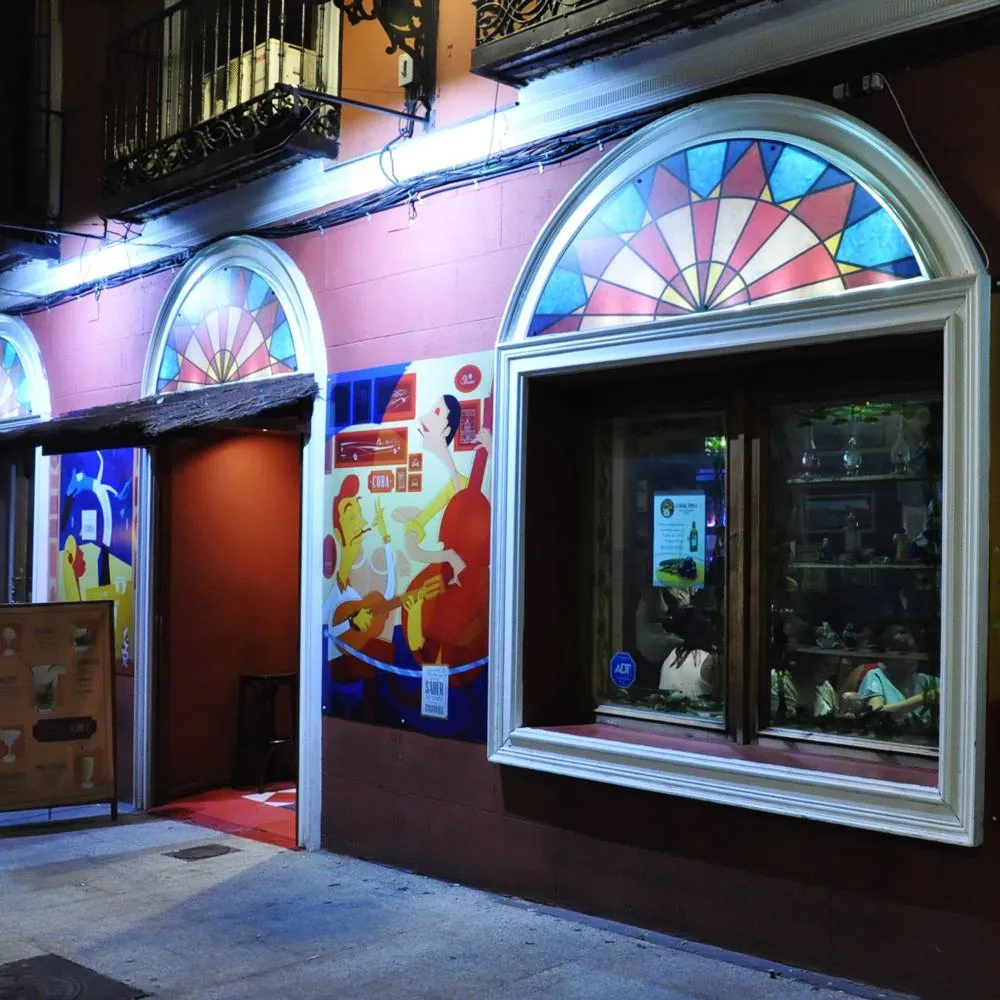 Before
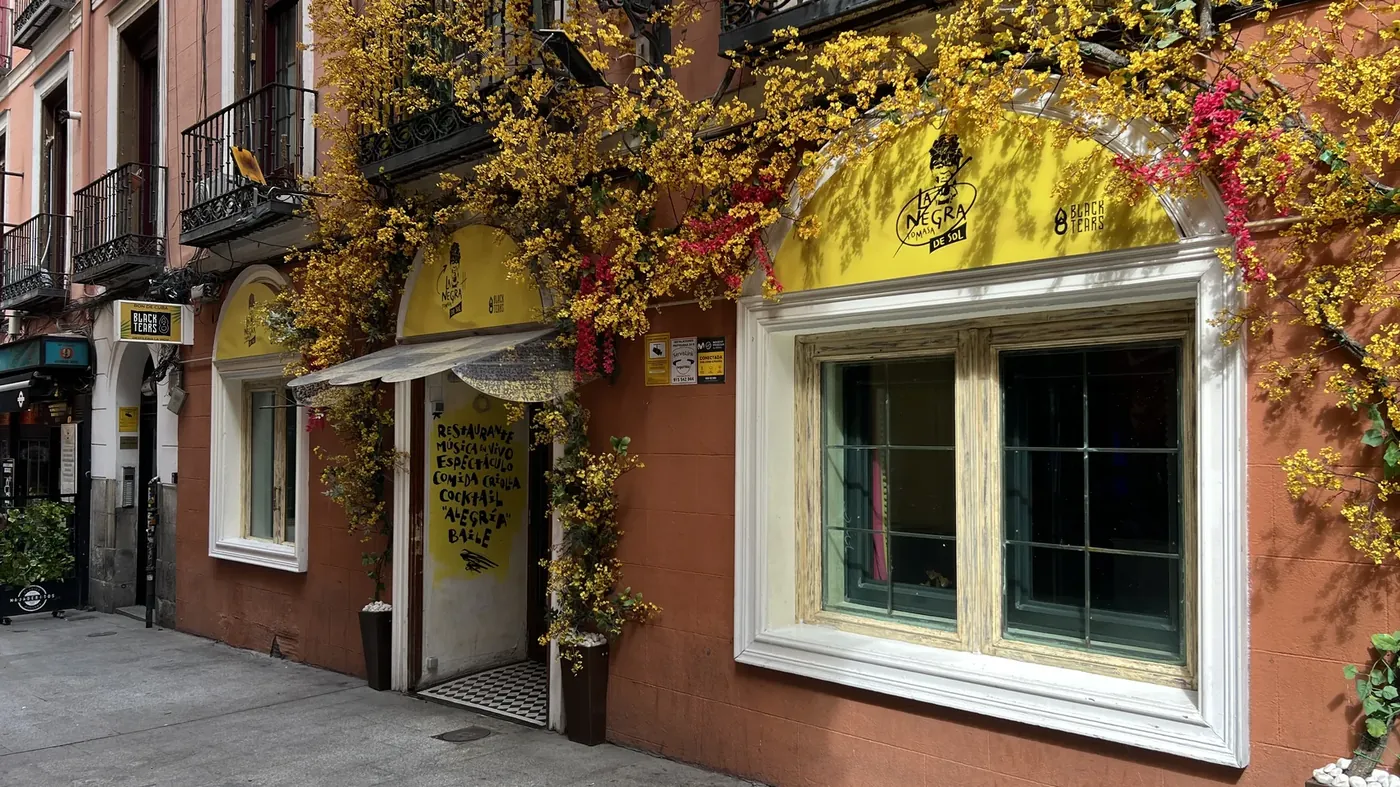 After
For more than two decades, La Negra Tomasa has had live son cubano every night, a stone's throw from the Puerta del Sol. It had what is hardest to get: authenticity. There was no need to invent it. What it lacked was a system to make it recognisable, repeatable and its own. This is the work, phase by phase, using the method we explain on our brand consultancy page.
Phase 1 · The diagnosis: five questions, one core
The diagnosis asks the brand five questions. These were La Negra Tomasa's answers:
- The root: where does it come from? More than two decades of live son cubano every night, a stone's throw from the Puerta del Sol. The authenticity didn't need inventing.
- The signal: how does it present itself? A yellow of its own, used as decoration rather than as a signal, and a folk emblem that said nothing about the house.
- The gesture: what does it do face to face with the guest? The night was already a rite, but with no name and no rules. And the two-hour table limit cut it short.
- The echo: what does the world give back? Reviews reward the music and punish the inconsistency. It had awareness, not yet a cult following.
- The cult: what can it become? The Cuban home of Madrid nightlife, recognised as one of its own by Cuban culture itself.
From there comes the mythic core, the idea everything else flows from:
Joy with Cuban roots. A living house where son cubano lifts the night and Tomasa gives you permission to celebrate without apologising.
And a promise that fits on one line: leave happier than you came in.
Phase 2 · The plan: one question filters everything
Every action in the plan goes through the same question: could a competitor with more money have this very thing within six months? If the answer is yes, it's marketing. If it's no, it's cult. Only the second gets in.
The plan is organised in four blocks:
- Alliances: who vouches for the house. Community, artists, institutions, local businesses and press, each with its own channel and rhythm.
- Cult actions: what money can't buy. Like a residency for musicians from the island, or a label of its own: “Recorded at La Negra Tomasa”.
- Image series: its own image bank, rights included. Portraits on yellow, the night shot with flash and one campaign a year.
- Channels: each with its own role. Every Google review answered within 72 hours, Instagram with three content strands and WhatsApp with the weekly line-up.
The alliances follow an order that isn't the obvious one: give first, ask later. It starts with the community, which is free and immediate, and with the artists, who fill the room with content. The institutions come later, once you're no longer asking for anything: you show them facts. The press, only when there's news.
Phase 3 · Implementation
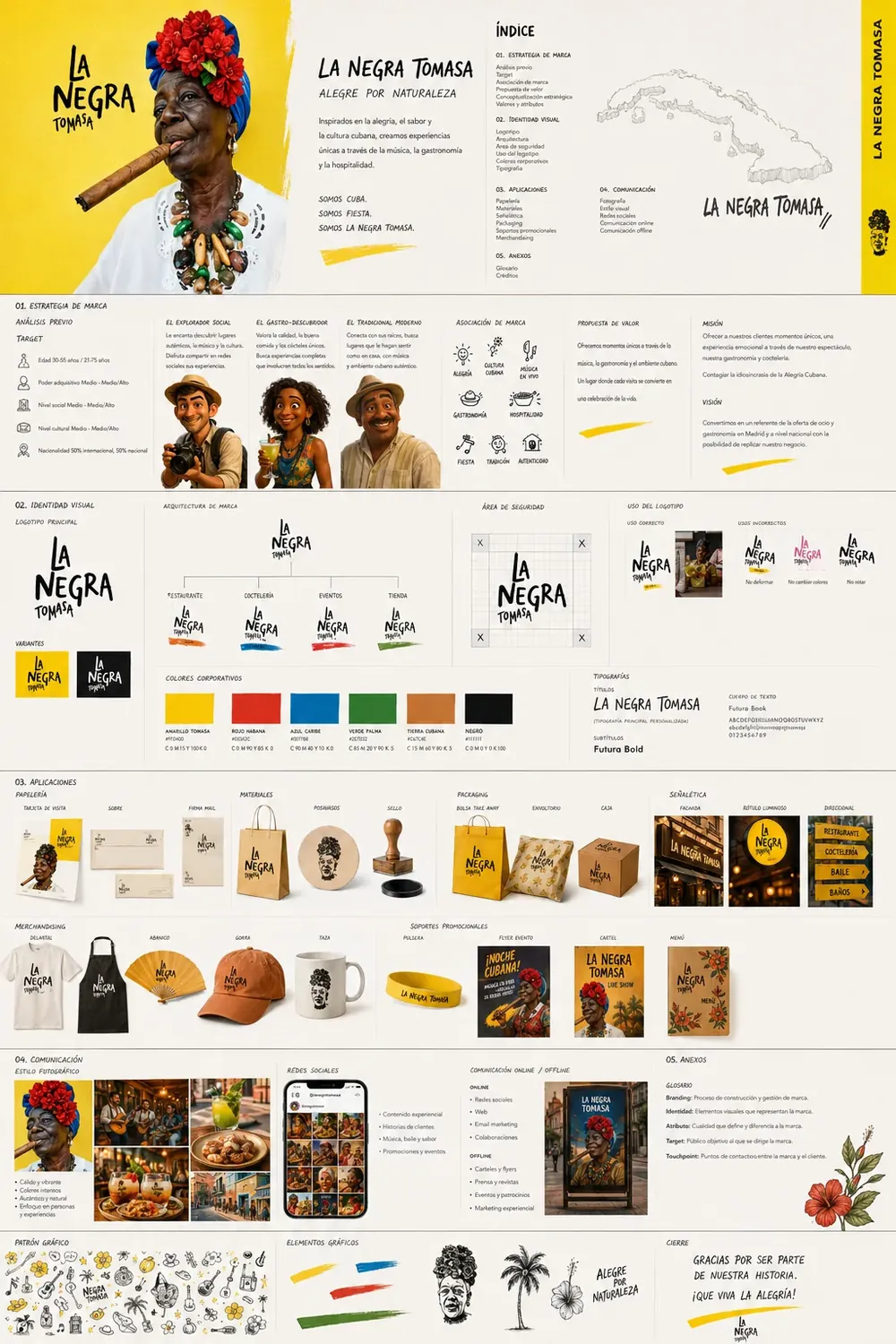
Identity: from poster emblem to a woman with a name
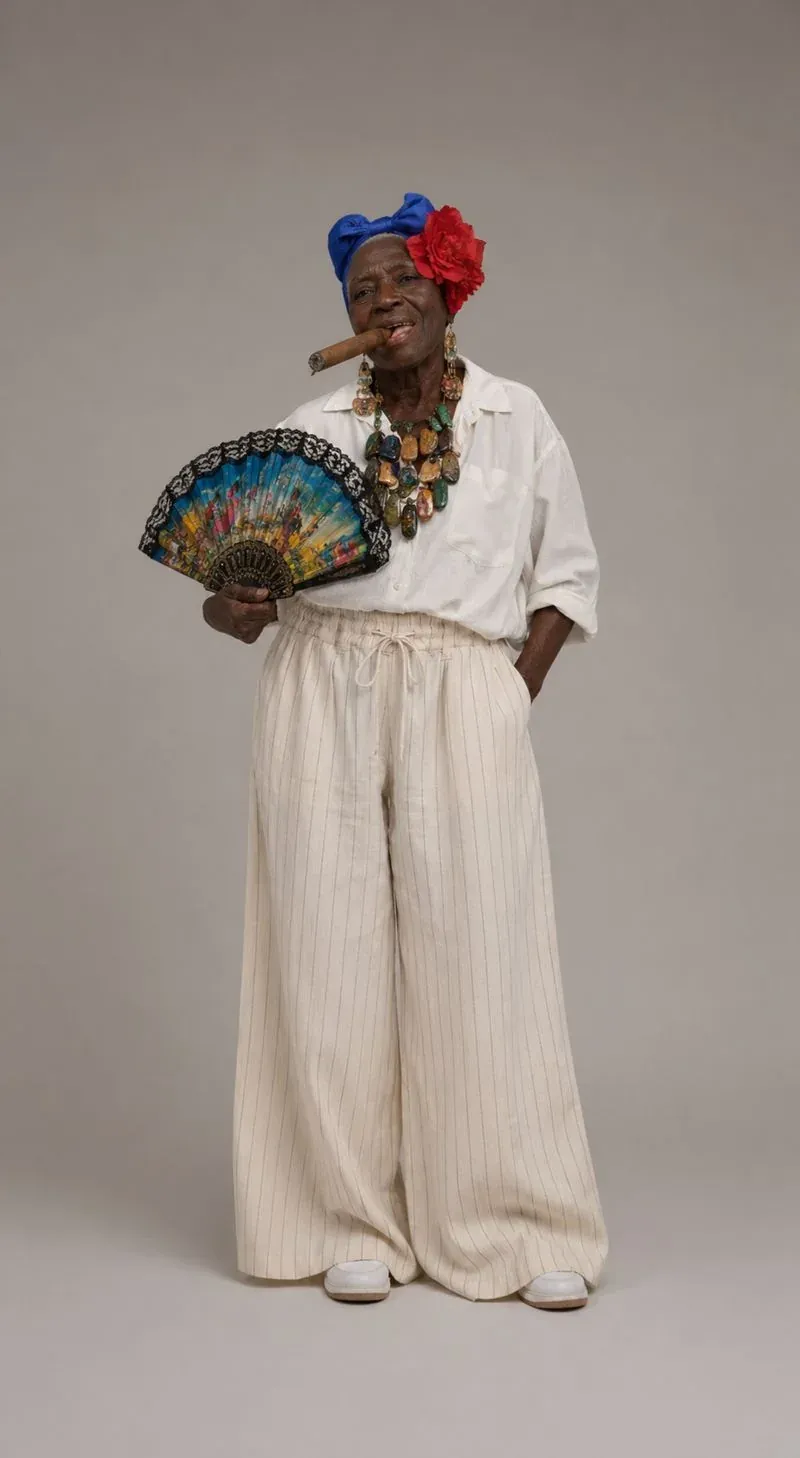
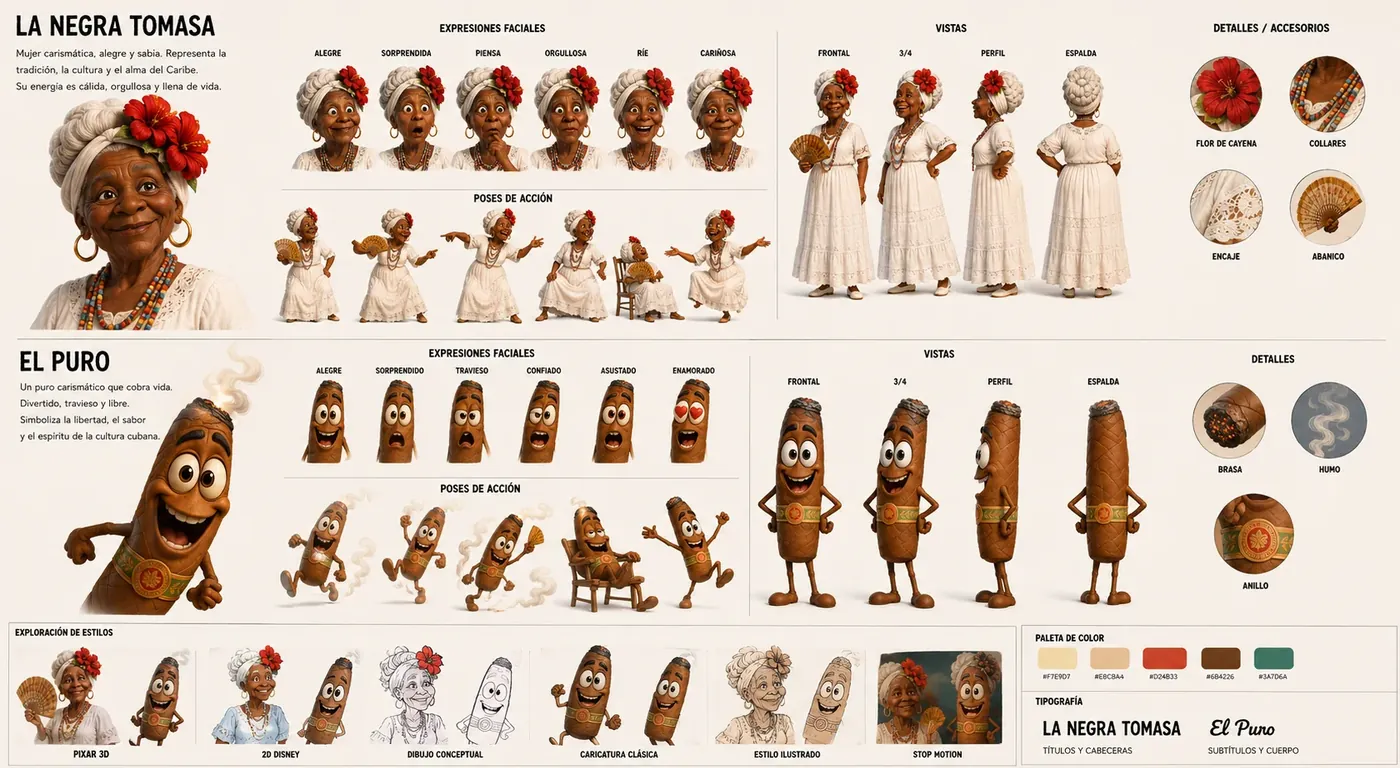
A handwritten logotype, a brand book that sets the rules and a hostess with a face of her own. Tomasa poses, stars in campaigns and changes register while staying herself.
 Before
 After
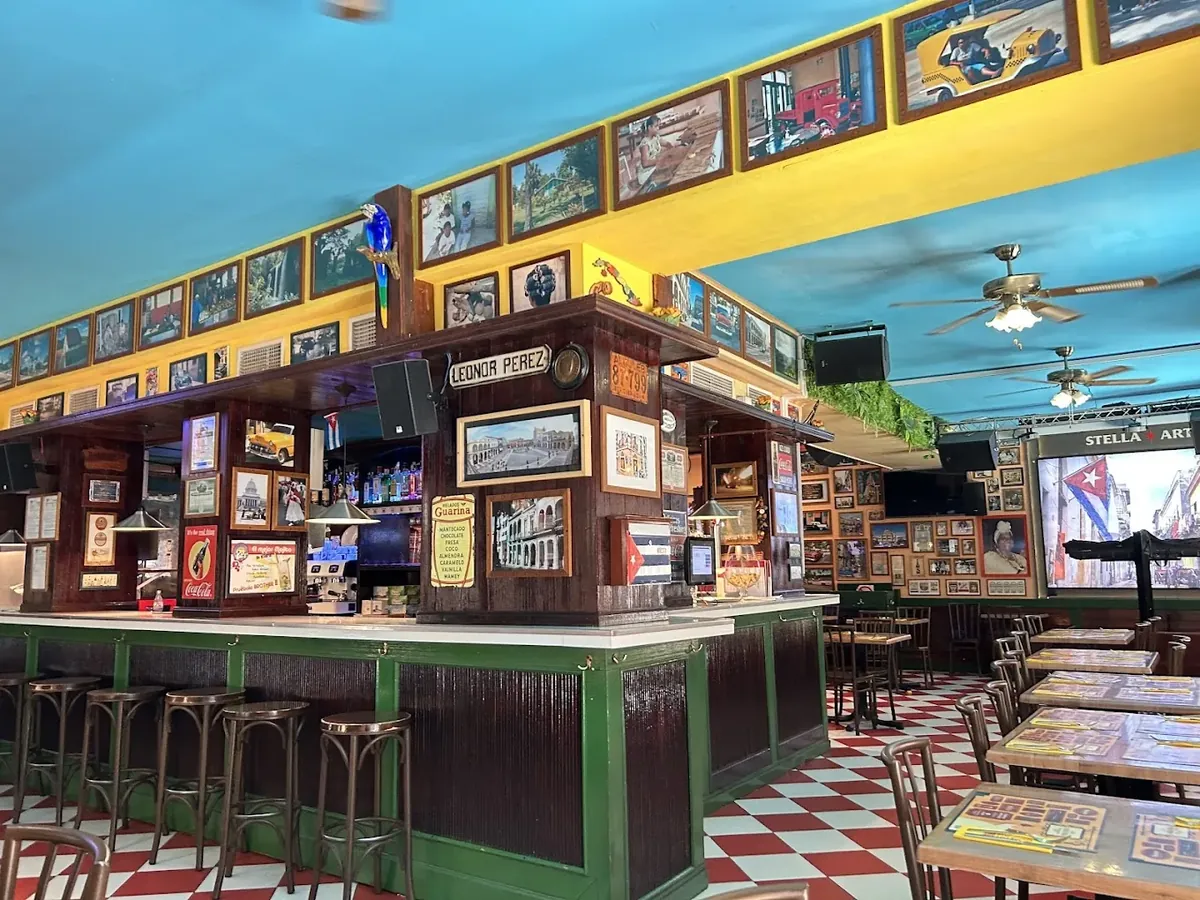
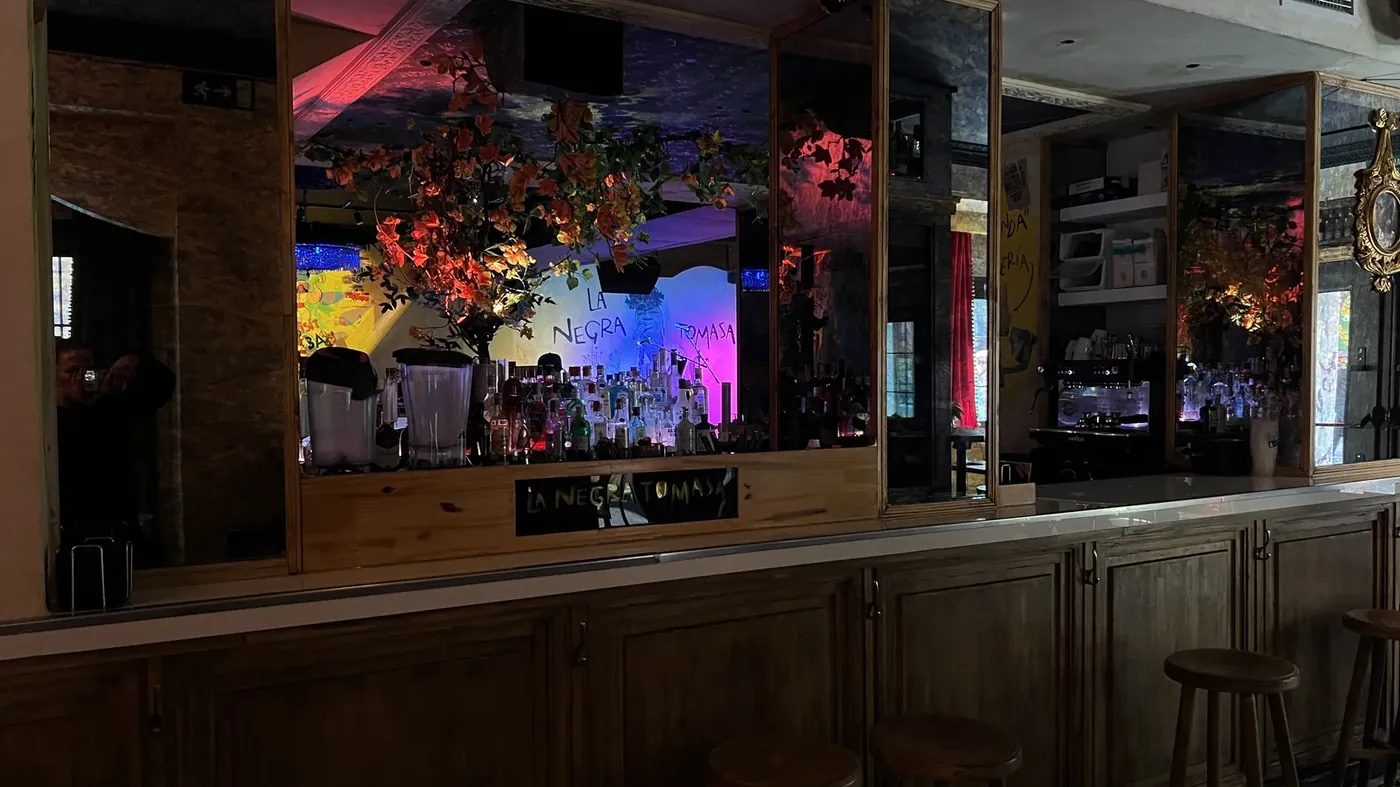
The venue: same place, a different house
 Before
 After
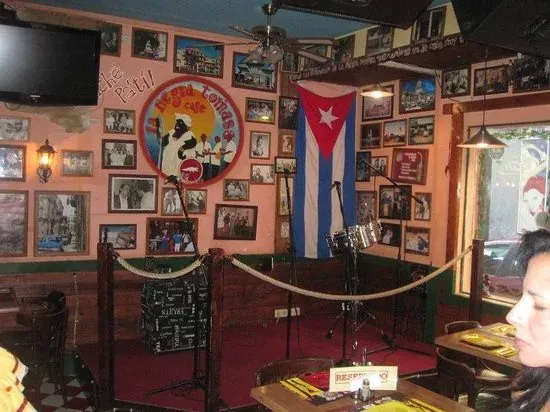 Before
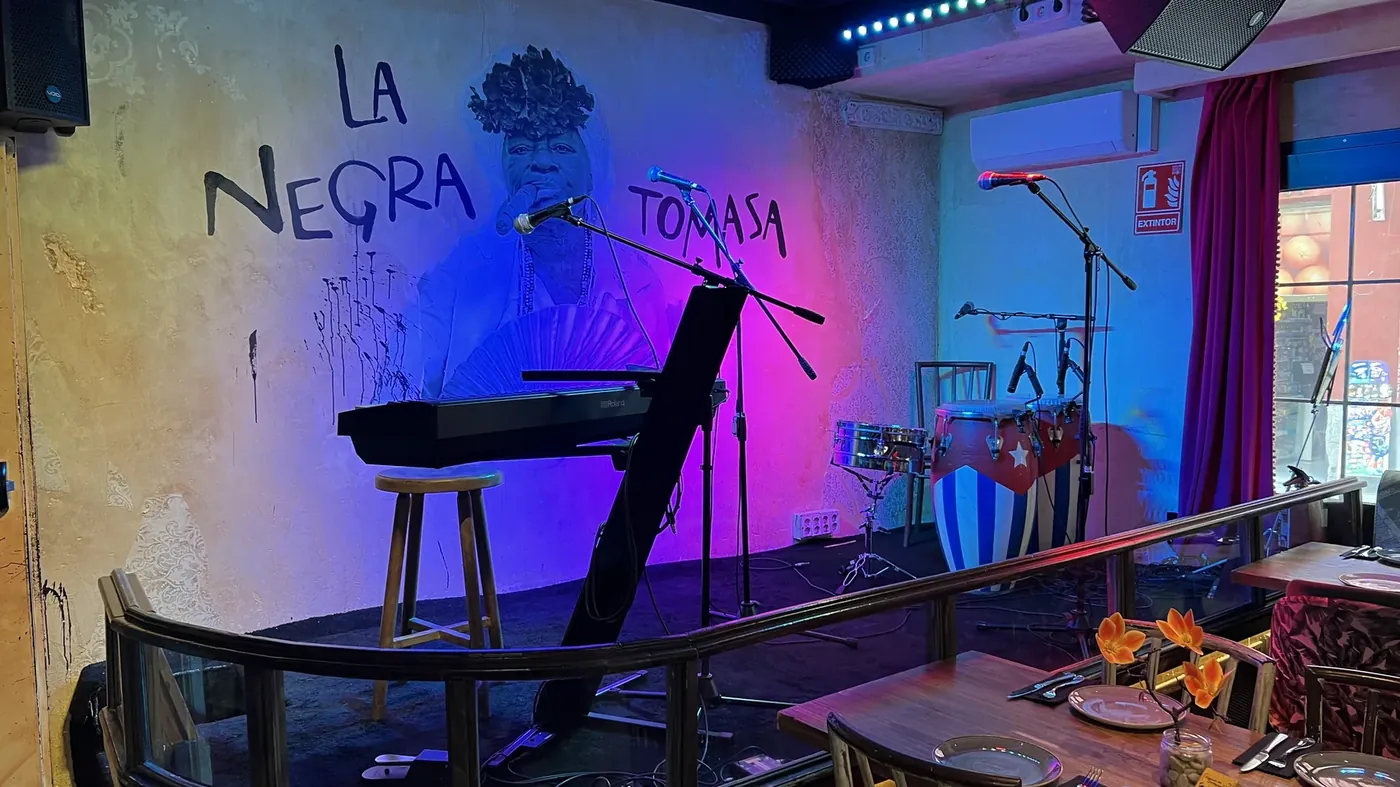 After
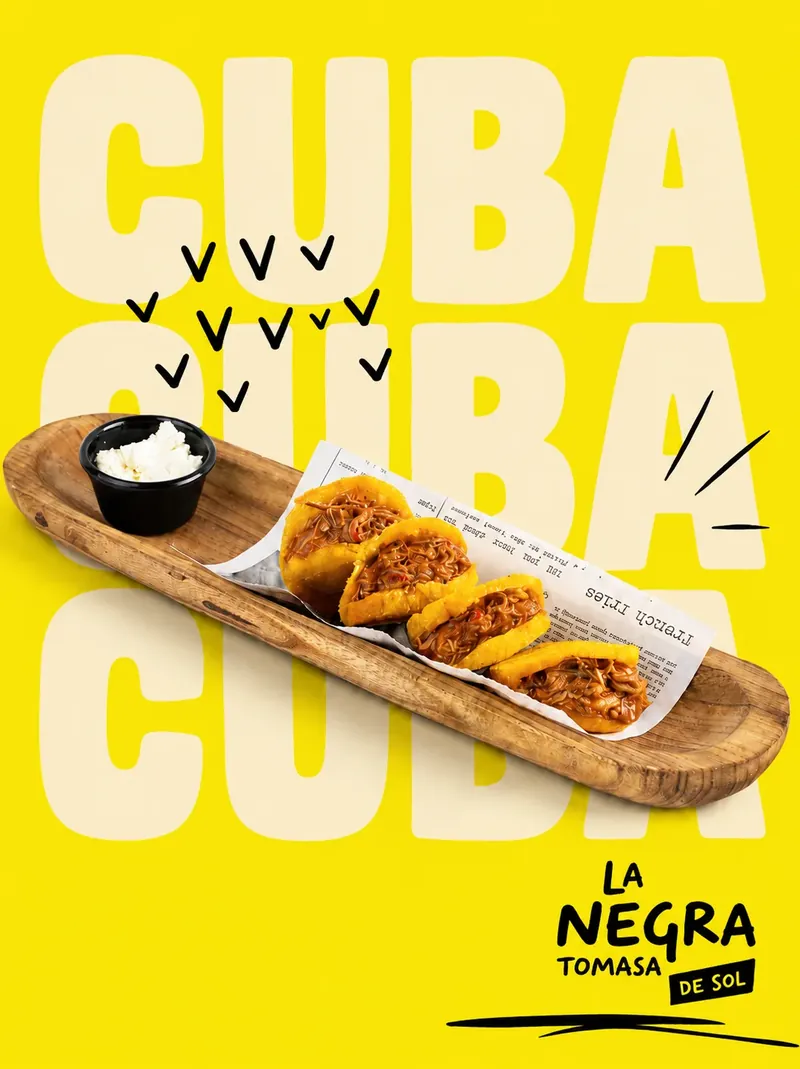
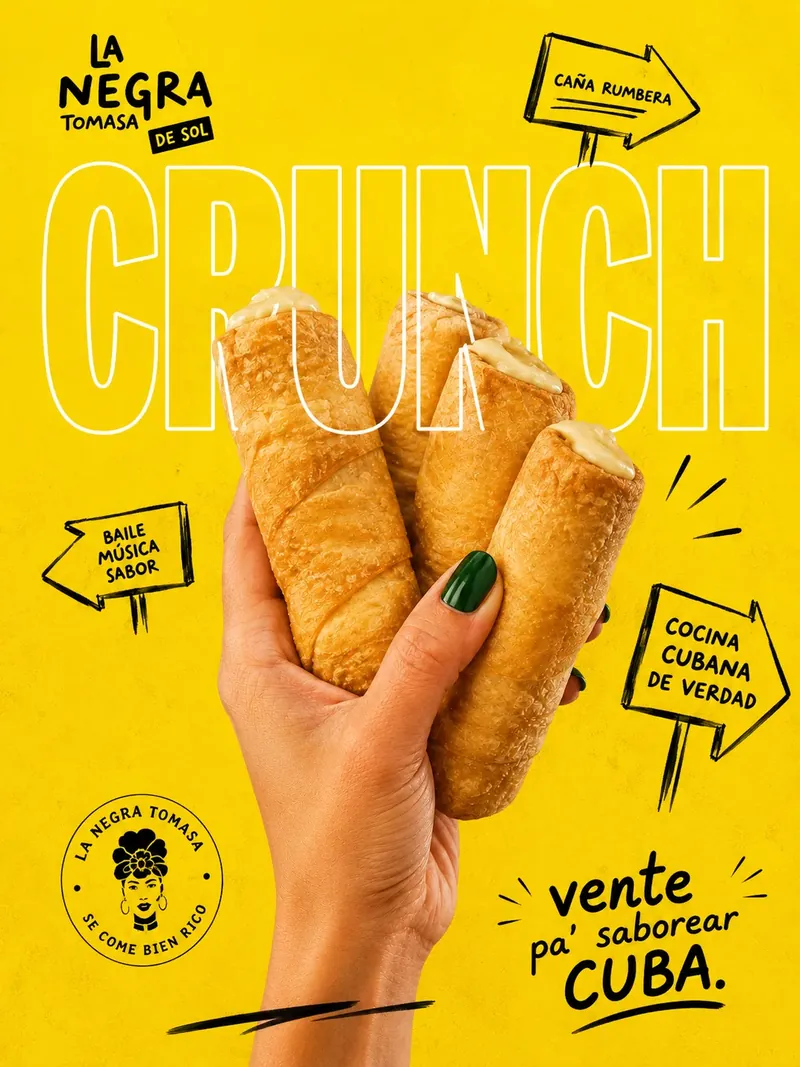
What it sells: from paper that informs to pieces that sell
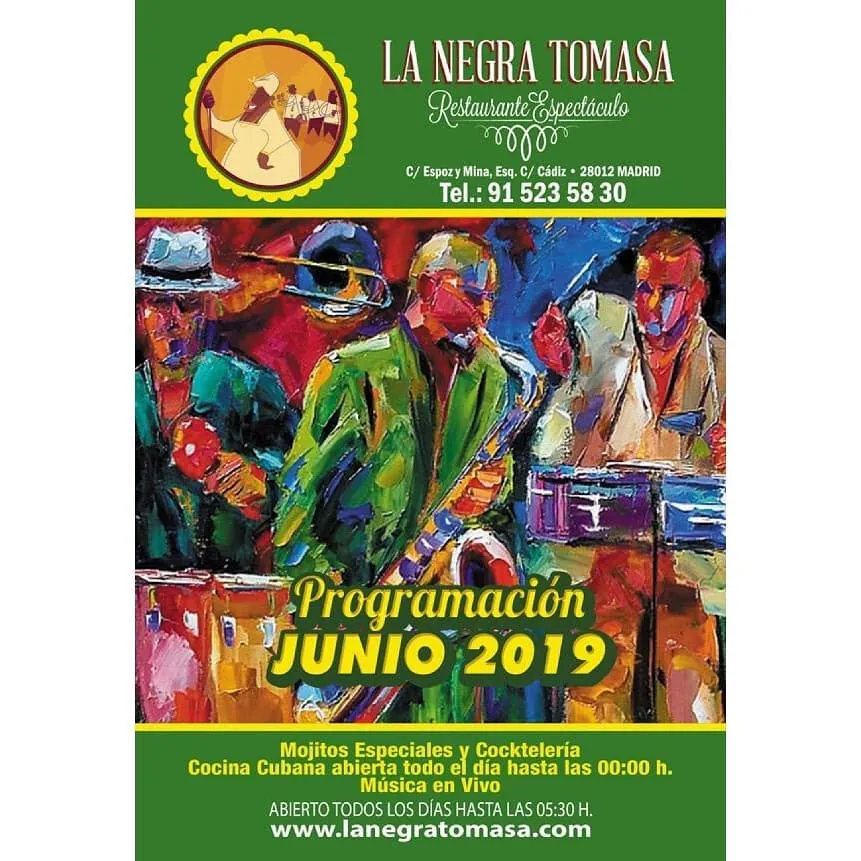 Before
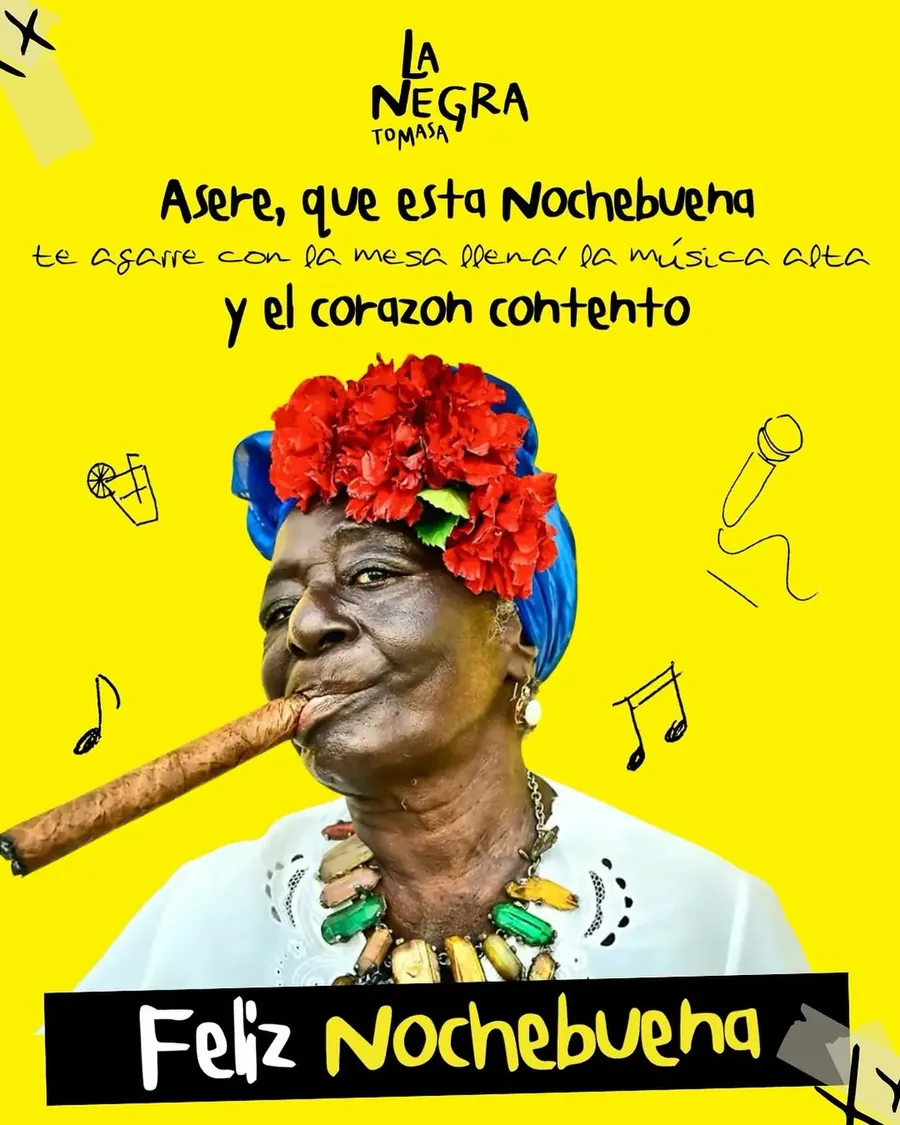 After
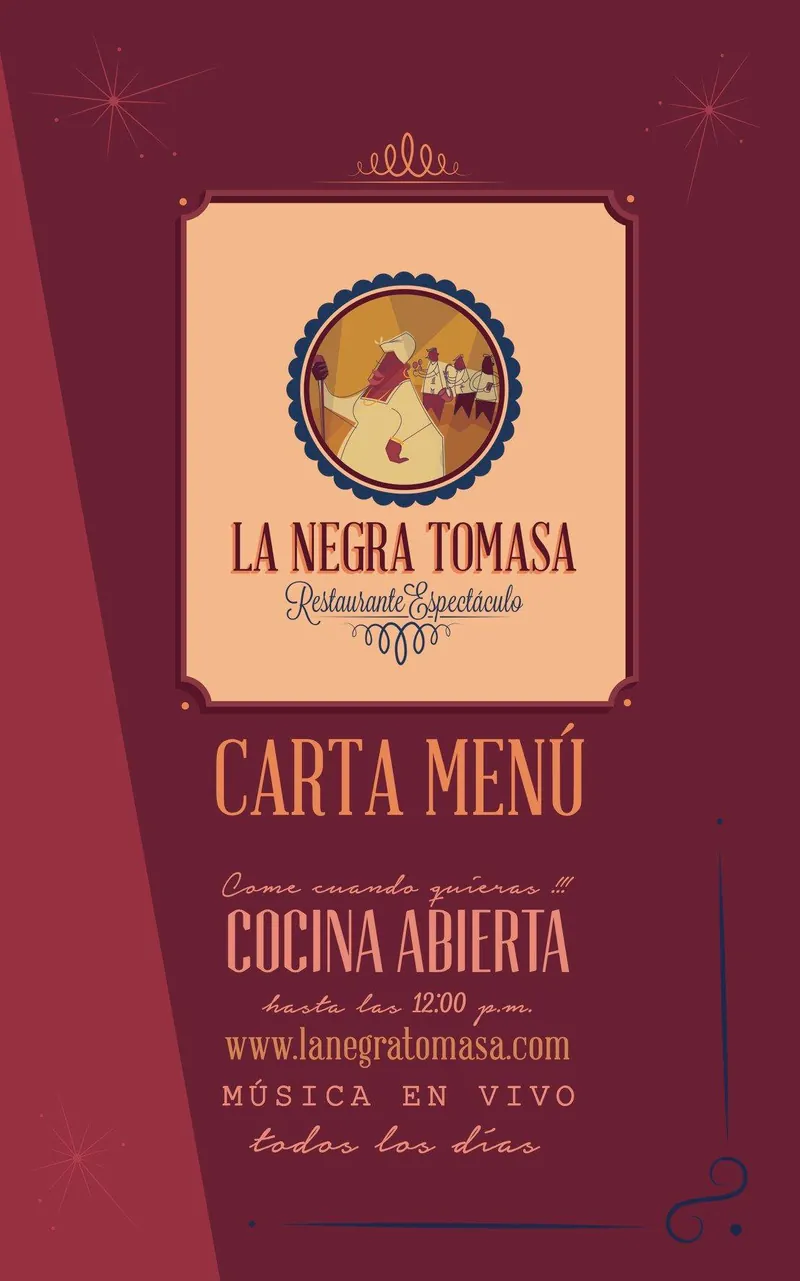 Before
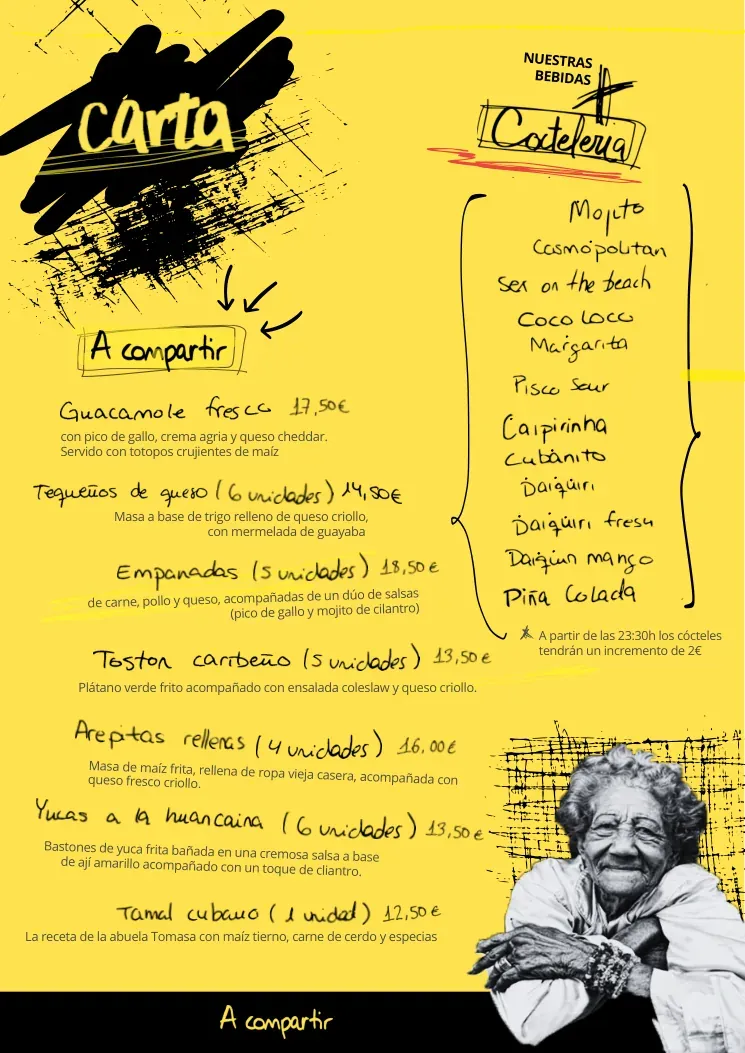 After
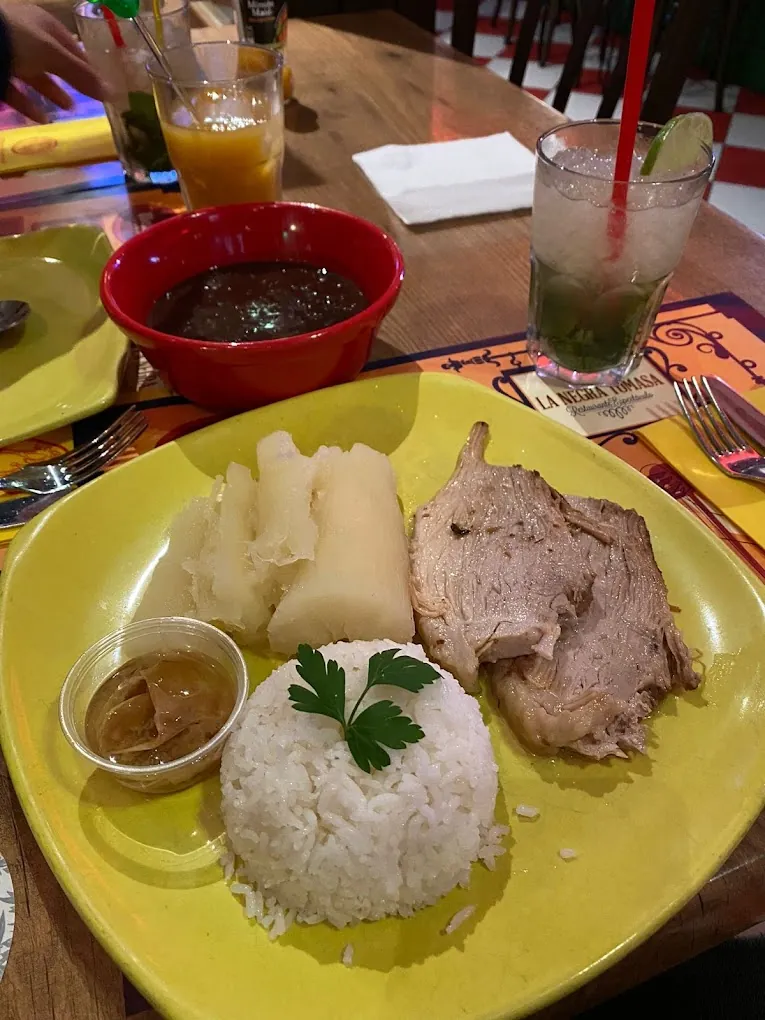 Before
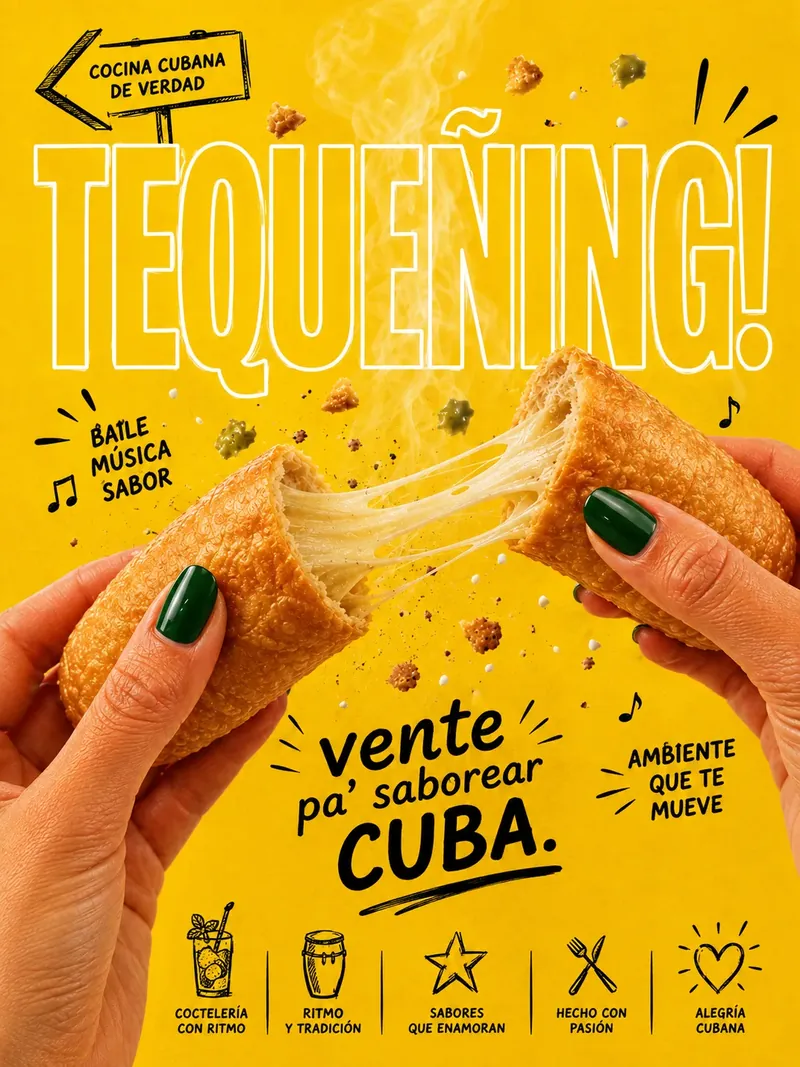
Video and sound: from phone footage to a brand that moves
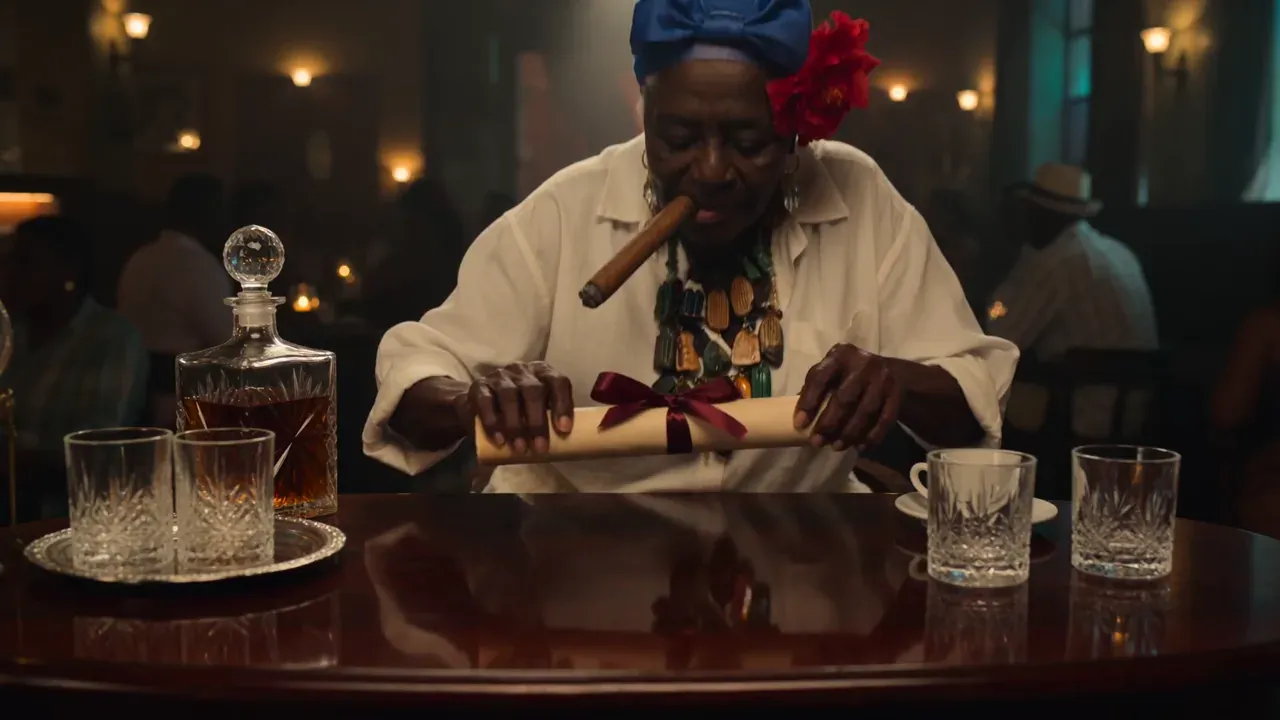
Before, video meant the room filmed on a phone, with no direction and no brand. Now the house has its own video pieces and a brand song, Tomasa en la Esquina, for reels, events and the atmosphere in the room.
What the case shows
The house already had the root, the music and the night. It lacked a name for its rite, a signal of its own and a hostess to put a face to. That's the difference between having a visual identity and having brand symbolism.